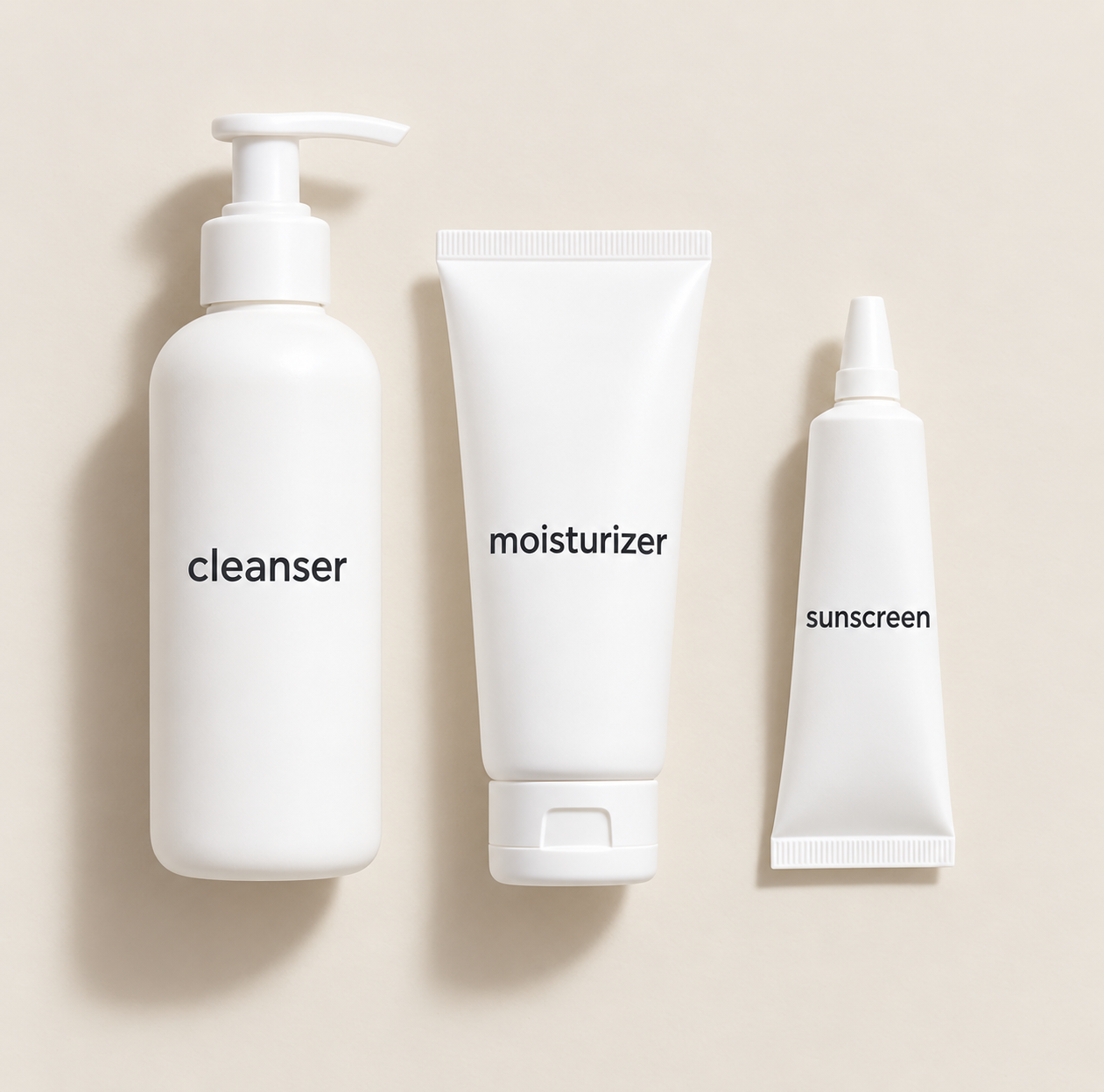
Going into a beauty aisle can feel confusing. With many products promising amazing results, finding a simple skincare routine that actually works often feels hard. You don’t need a collection of expensive bottles to have healthy skin.
This guide helps you learn the basics. We focus on the three parts of beginner skincare: cleansing, moisturizing and protecting your skin from the sun. By learning these habits, you create a base for your skin health.
Key Takeaways
- Focus on the three: cleansing, moisturizing and sun protection.
- Know your skin type before buying new products.
- Add one item at a time to see how your skin reacts.
- Consistency is more important than buying expensive items.
- Keep track of your results to see what really helps your skin.
Decide What Your Skin Needs Before You Buy Anything
Take a moment to look at your skin before you buy skincare. Many people buy sets without knowing if they fit their needs. This can save you from frustration and wasted products.
Identify Whether Your Skin Is Dry, Oily, Combination, Normal or Sensitive
Your skin type is important when choosing beauty products. If your skin feels tight or flaky it’s dry. Needs moisture. If you have a face by midday it’s oily.
Combination skin has oil in the T-zone. Is dry on the cheeks. If your skin gets red or feels uncomfortable with products, it’s sensitive. Knowing this helps avoid ingredients.
Skincare Routine for Beginners: The Three Products You Actually Need
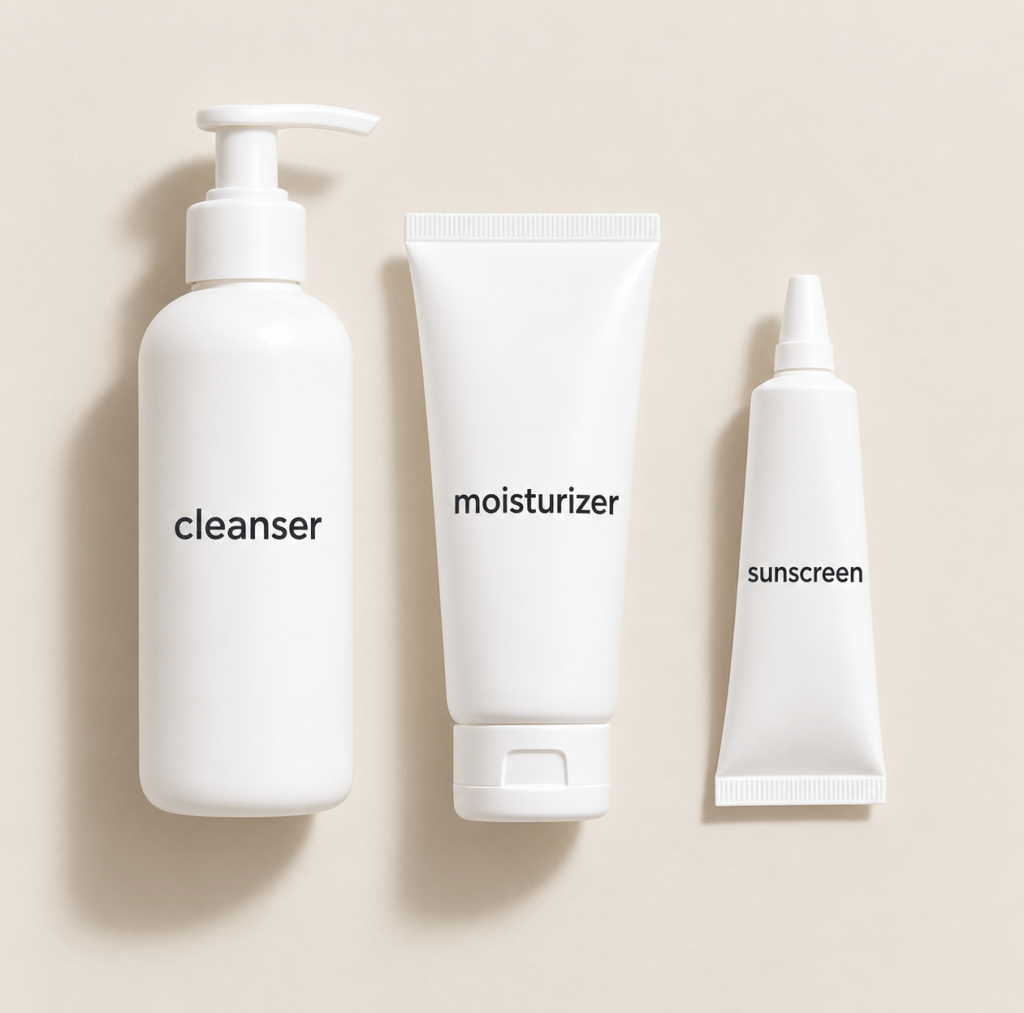
Feeling lost in the beauty aisle? Focus on these three steps. A good skincare routine for beginners doesn’t need a lot of products. Just focus on cleansing, hydrating and protecting your skin.
“The best routine is the one you can actually stick to every day.”
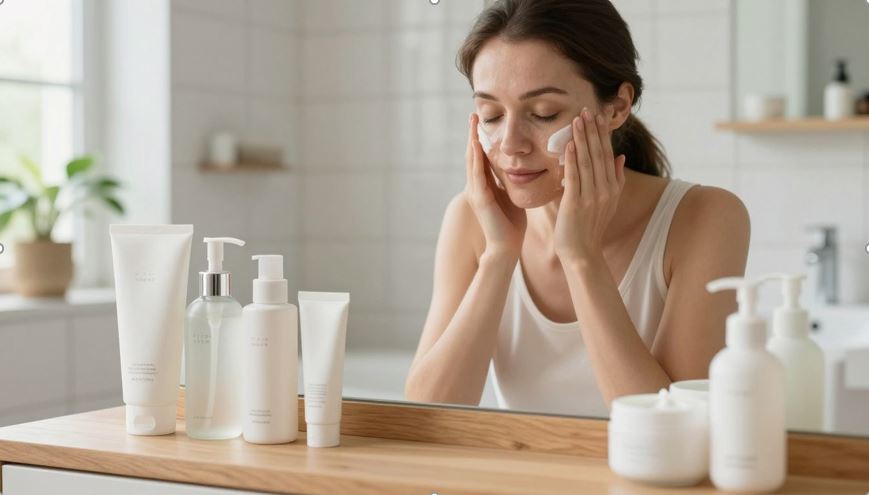
Step One: Cleanse Your Skin Without Overdoing It
- Use Lukewarm Water and Clean Hands
- Massage Cleanser Gently for 30 Seconds
- Pat Your Face Dry Instead of Rubbing It
Step Two: Apply Treatments After Your Basics Feel Comfortable
Once your skin is balanced with care you can try following targeted treatments.
| Ingredient | Primary Benefit | Best For |
| Salicylic Acid | Exfoliation | Clogged Pores and breakouts |
| Azelaic Acid | Soothing | Redness, Blemishes and Uneven Tone |
| Retinoids | Renewal | Acne, Texture and Long-Term Skin Support |
| Vitamin C | Brightening | Dullness, Antioxidant Support. |
Step Three: Moisturize to Support Your Skin Barrier
Finding the moisturizer is key to a healthy skin barrier. Keeping it moist makes your skin look smooth and healthy all day.
Choose Creams, Lotions or Gels According to Your Skin Type:
| Texture | Best For | Feel |
| Gel | Oily Skin | Lightweight |
| Lotion | Combination Skin | Balanced |
| Cream | Dry Skin | Rich |
Step Four: Protect Your Skin With Sunscreen Every Morning
Sunscreen is essential for your skin every morning. Apply sunscreen to cover your face, ears, neck and the part of your chest that is exposed. Put sunscreen on after moisturizer and before makeup. Reapply sunscreen if you are outside for a time if you are sweating or if you are swimming.
Make Broad-Spectrum Sunscreen an Everyday Essential
Using a broad-spectrum sunscreen is key to preventing aging and protecting your health. It’s essential every day on cloudy days or indoors.
Choose SPF 30 or Higher for Daily Use
Dermatologists say use at least SPF 30 for good protection. Daily use helps keep your skin healthy and glowing.
.FAQ
How can I accurately identify my skin type at home?
Start by observing your skin for two days without treatments. If it feels tight and flaky you have skin. Oily skin shows shine over while combination skin shines only in the T-zone. Sensitive skin reacts easily to products or environments.
What is the difference between mineral and chemical sunscreens?
Mineral sunscreens, like those with Zinc Oxide or Titanium Dioxide sit on your skin. Reflect UV rays. They’re good for skin. Chemical sunscreens, like Supergood! absorb UV rays. Convert them into heat. Choose the one you’ll wear every day based on texture.
How do I safely introduce a treatment like Vitamin C or a Retinoid?
Start with one new product at a time and do a patch-test. Use treatments like SkinCeuticals Vitamin C serum or Neutrogena Retinol twice a week. Gradually increase use as your skin gets used to it. This avoids irritation and peeling.
Does a tingling sensation mean the product is working?
No tingling or stinging doesn’t mean the product is working. Mild sensations are okay. Persistent discomfort means it’s too harsh. If you feel burning or swelling stop using it and simplify your routine.
When should I consider seeing a dermatologist?
See a dermatologist if your basic routine doesn’t work for acne, rashes or deep discoloration. They can offer treatments and advice for your specific skin issues.
How long does it take to see results from a skincare routine?
It takes four to six weeks to see results, from a new routine. This is because it takes that long for your skin cells to turn over. Take photos every week to track your progress.


Leave a Reply